
Creator economy and payments · Anonymous engagement
One payment. One financial outcome.
The platform connected a public creator profile, a viewer message, a payment provider, a deposit record, account balance, invoices and real-time notifications. Stabilisation focused on the points where a repeated callback or two concurrent processes could attempt to change the same financial state.
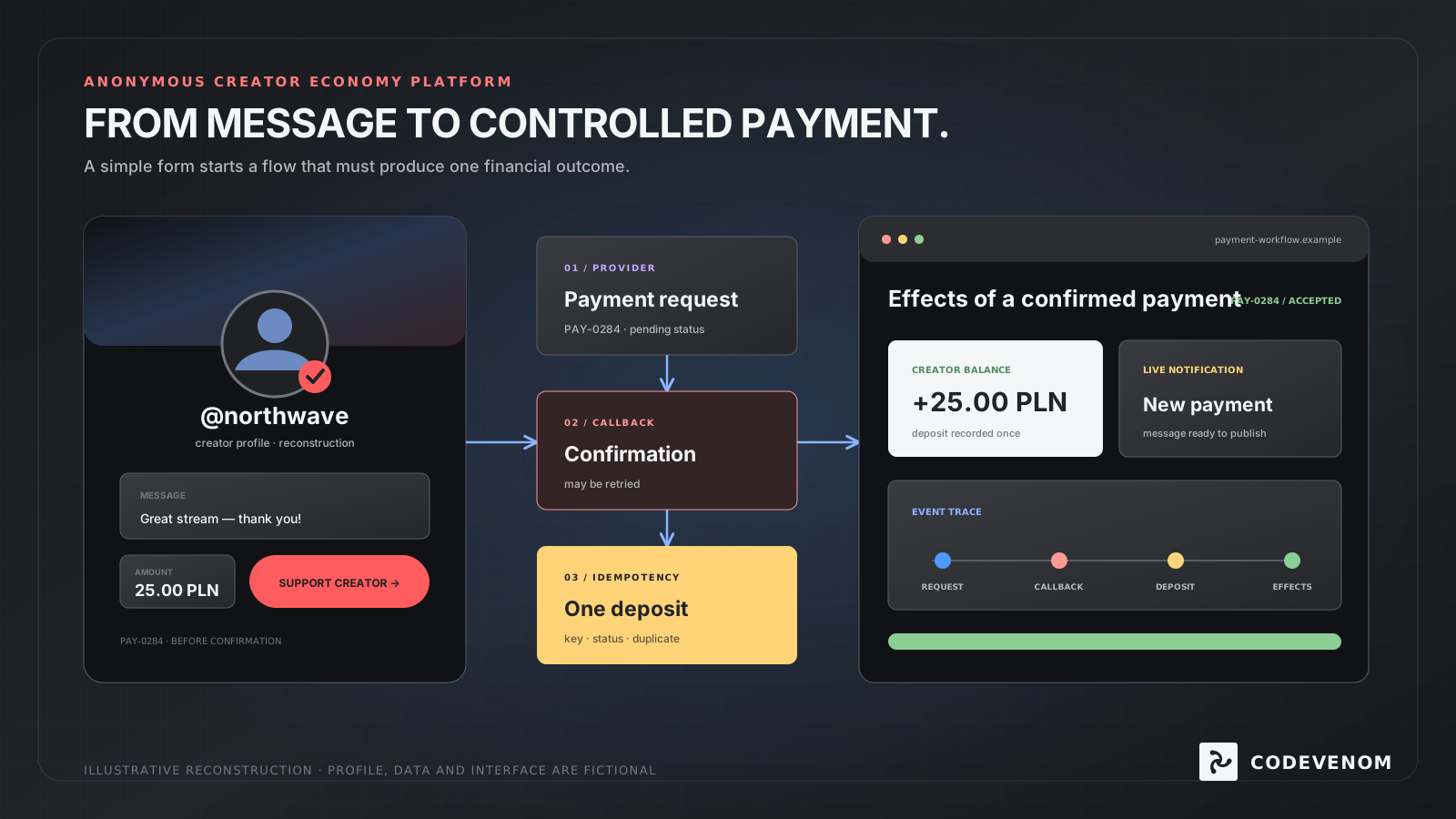
Protection against payment-status races, idempotent deposit creation, explicit duplicate handling, withdrawal locks, callback corrections and invoice-data fixes.
Workflow view
Users saw a simple form. Behind it was a critical financial workflow.
A paid message passed through the provider, a callback, deposit rules and account state before it could trigger a creator notification and later appear in a financial document.
Context
One message triggered more than one system
To the viewer, it was a short message and a payment. Inside the platform, the same intent moved through a form, an external provider, a callback, account state, notifications and data later used for financial documents.
- Client context
- A creator-economy platform handling payments, messages, creator balances, withdrawals and real-time notifications.
- CODEVENOM's role
- Subcontracted delivery. This public account covers verified system mechanisms; it does not attribute the whole product or the platform's financial outcomes to CODEVENOM.
Challenge
Concurrent events could try to settle the same payment
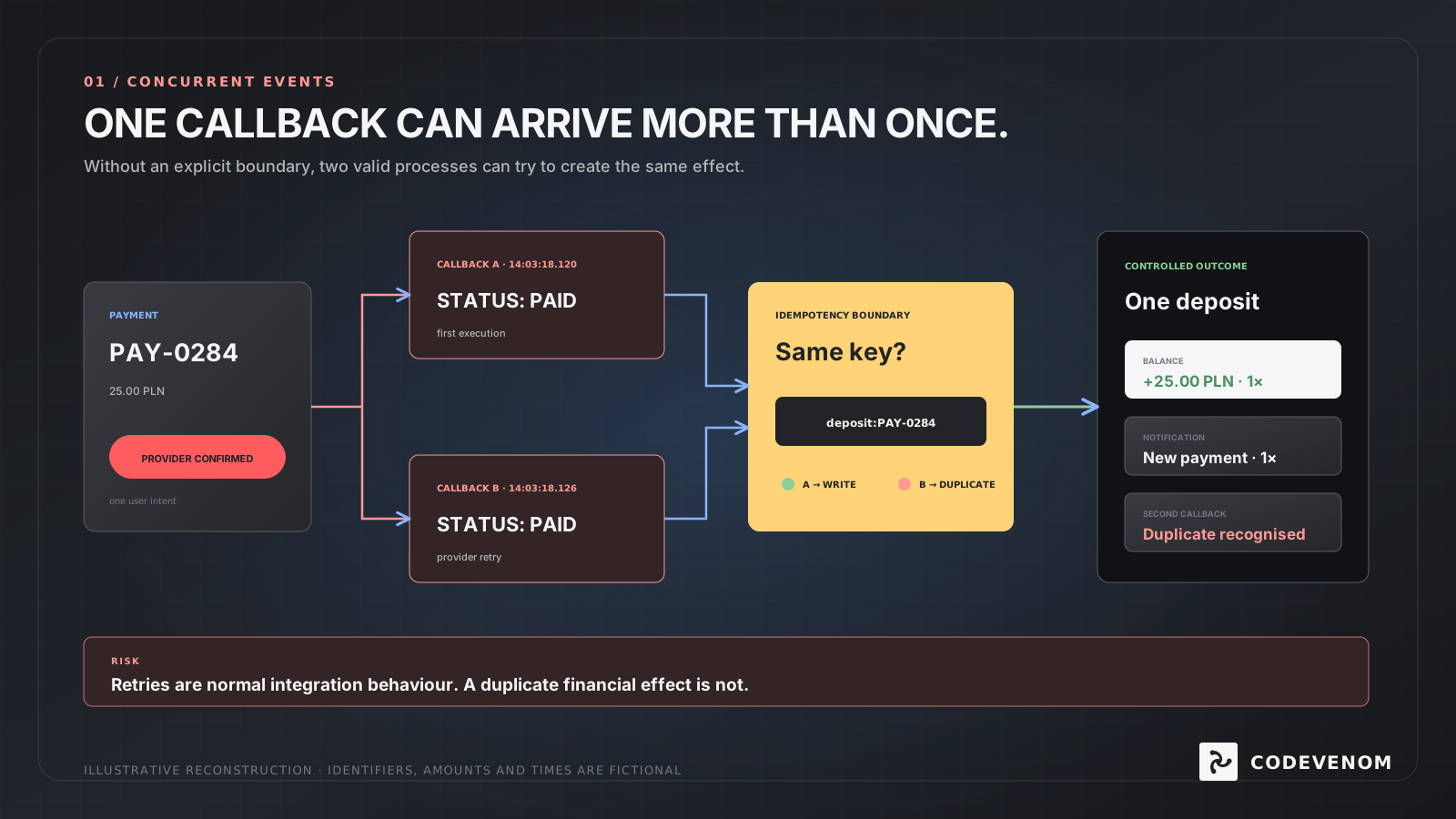
A provider may retry a callback, a user may repeat a request and asynchronous processes may run in a different order. In a financial system, each of those cases must be a normal, controlled path.
Two events could read the same payment status at the same time.
A repeated callback had to recognise an existing deposit instead of creating another.
A withdrawal lock had to protect funds while still providing a controlled recovery path.
Payment status, balance, notification and invoice data depended on several separate rules and historical records.
Scope
The work focused on the points where an event became financial state
The important changes sat at the boundaries: between provider status and deposit, deposit and account, withdrawal and lock, and profile history and invoice data.
Race protection during payment-status changes
Idempotent deposit creation with controlled duplicate handling
Double-withdrawal protection and an administrative recovery path
Callback validation, invoice data and continuity of legacy builds
Approach
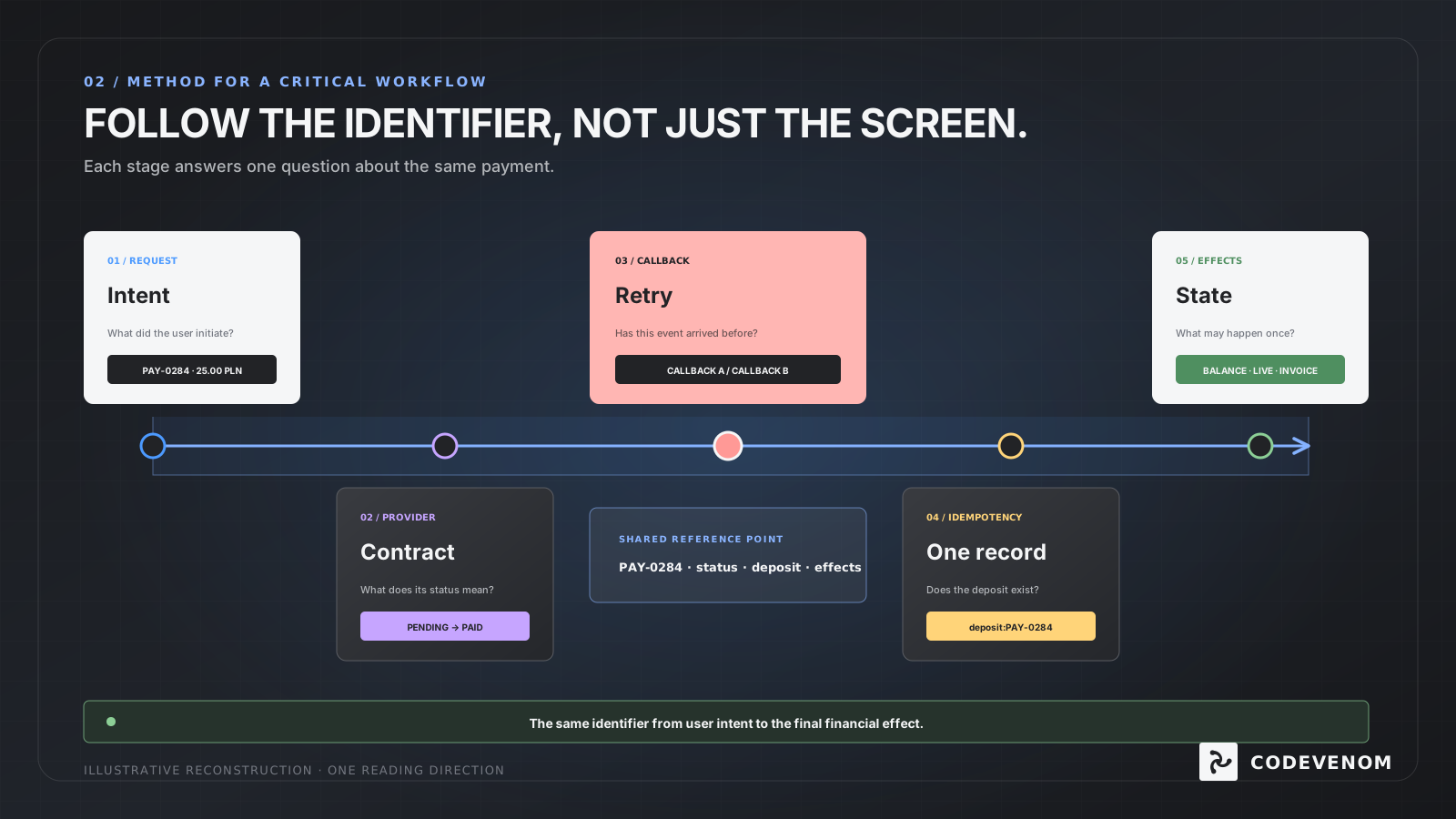
Follow the payment identifier to its final effect
Instead of reviewing the screen, callback and balance separately, the flow had to be read as one chain. The same identifier led from user intent through provider confirmation to the account change and notification.
- 01
Define one identifier and the allowed status transitions.
- 02
Treat a repeated callback as an expected case, not an exceptional failure.
- 03
Separate deposit creation from the effects performed after confirmation.
- 04
Provide an explicit recovery mechanism when a lock protecting funds remains active.
Implemented changes
Safeguards were placed at the boundaries of the critical flow
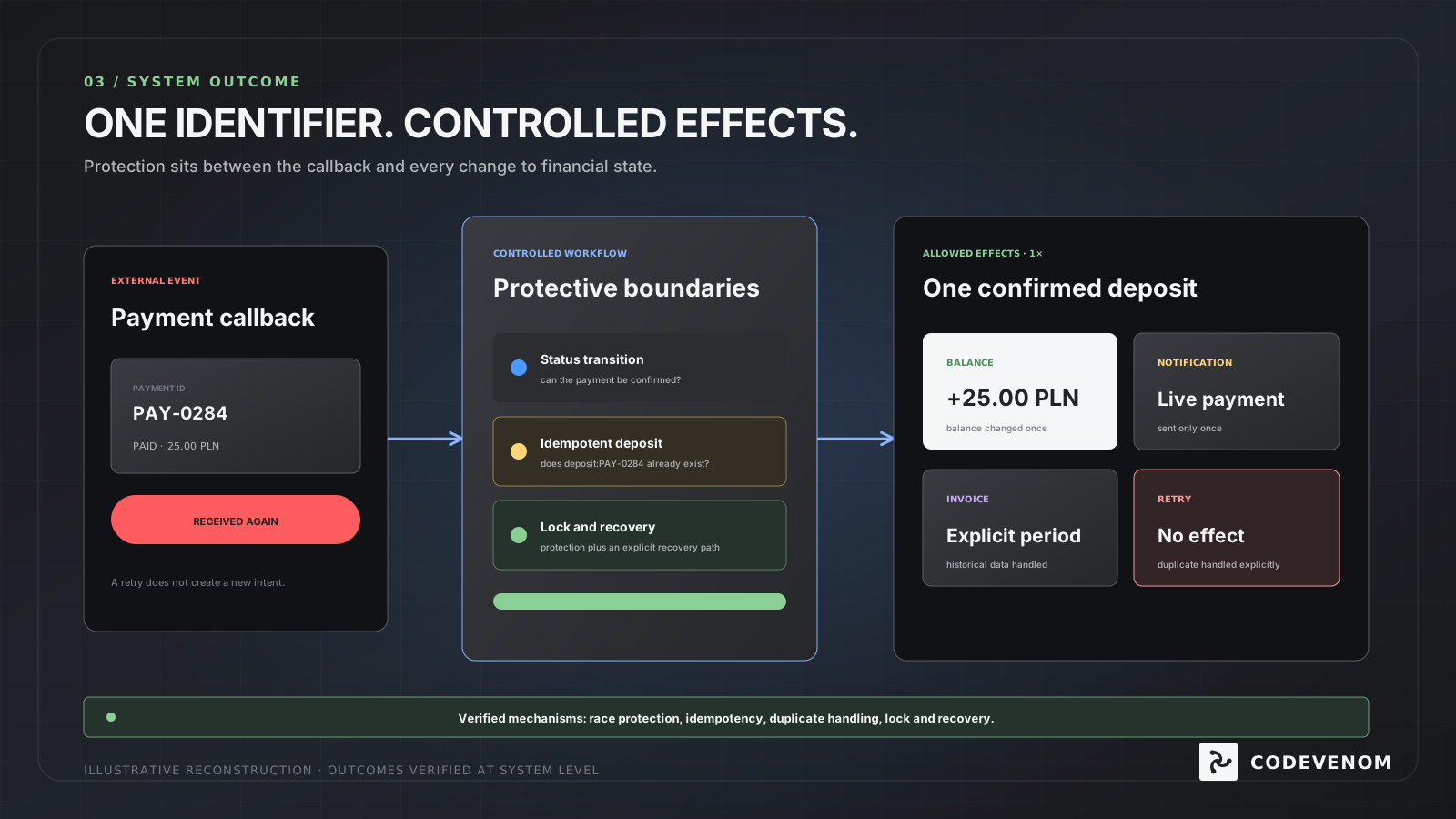
The solution was not one extra condition in the form. Protection had to cover concurrent execution, deposit creation, duplicate handling, the withdrawal lock and the contract with the external provider.
Payment-status handling changed to protect against process races
Idempotent deposit creation with a dedicated duplicate path
Double-withdrawal protection with controlled release of a stuck process
Corrections to callback validation and invoice generation for empty historical data
Outcome
Critical paths received explicit safeguards
The delivery history verifies idempotency, race protection, duplicate handling and withdrawal locks, along with corrections to callbacks and invoices. We do not have evidence to claim how many duplicates were stopped, how much money was protected or how system availability changed.
Related service
When an existing system moves money across several providers
We take over the existing system, map the critical flow and strengthen the boundaries where a repeated or concurrent event could change state more than once.
See Software Takeover & StabilisationStart with one event
Could one callback change the balance more than once?
Show us the payment request, the provider callback and every effect performed after it arrives. We will trace where the flow needs idempotency, a lock or a controlled recovery path.
Start a project