
Premium commerce · Anonymous delivery
Modernising a multi-market premium storefront
The storefront depended on several systems that did not always describe products, prices and markets in the same way. The work made those boundaries more coherent while bringing the customer-facing application onto a current technical foundation.
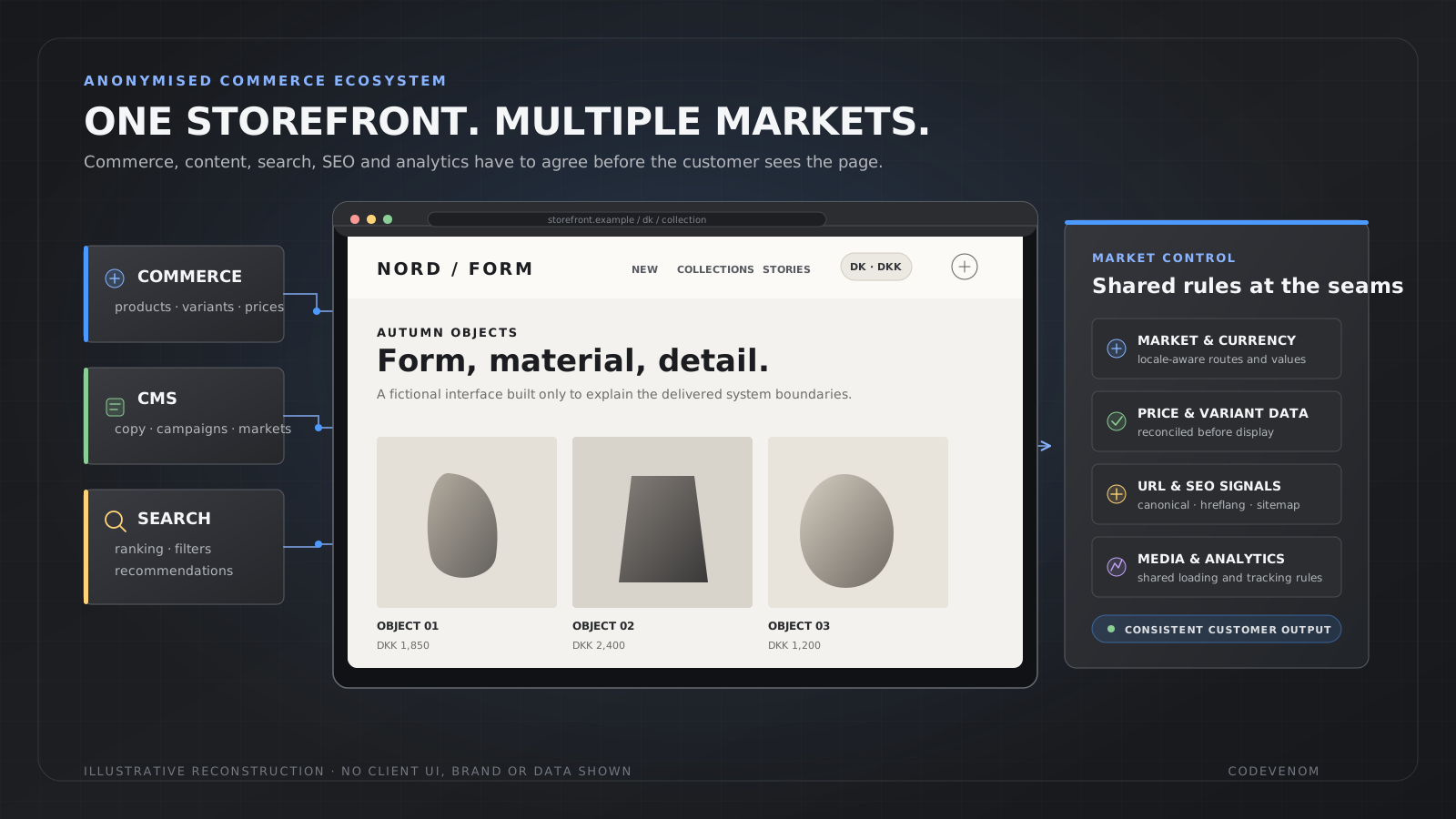
More consistent product discovery, market-aware SEO and shared media rules across a connected commerce ecosystem.
System view
The storefront was only the visible layer
Product cards, prices and localised pages depended on commerce data, content, search, recommendations and analytics moving together.
Context
One storefront, several sources of truth
A change that looked local on the website could cross market rules, catalogue data, search results, imagery and tracking. The job was not to replace that ecosystem. It was to understand where its rules diverged and make the next change safer.
- Client context
- An established premium lifestyle brand operating a localised storefront across multiple markets.
- CODEVENOM role
- Subcontracting delivery partner within a broader software-house engagement. The client identity and original interface remain confidential.
Problem
Small inconsistencies reached the customer journey
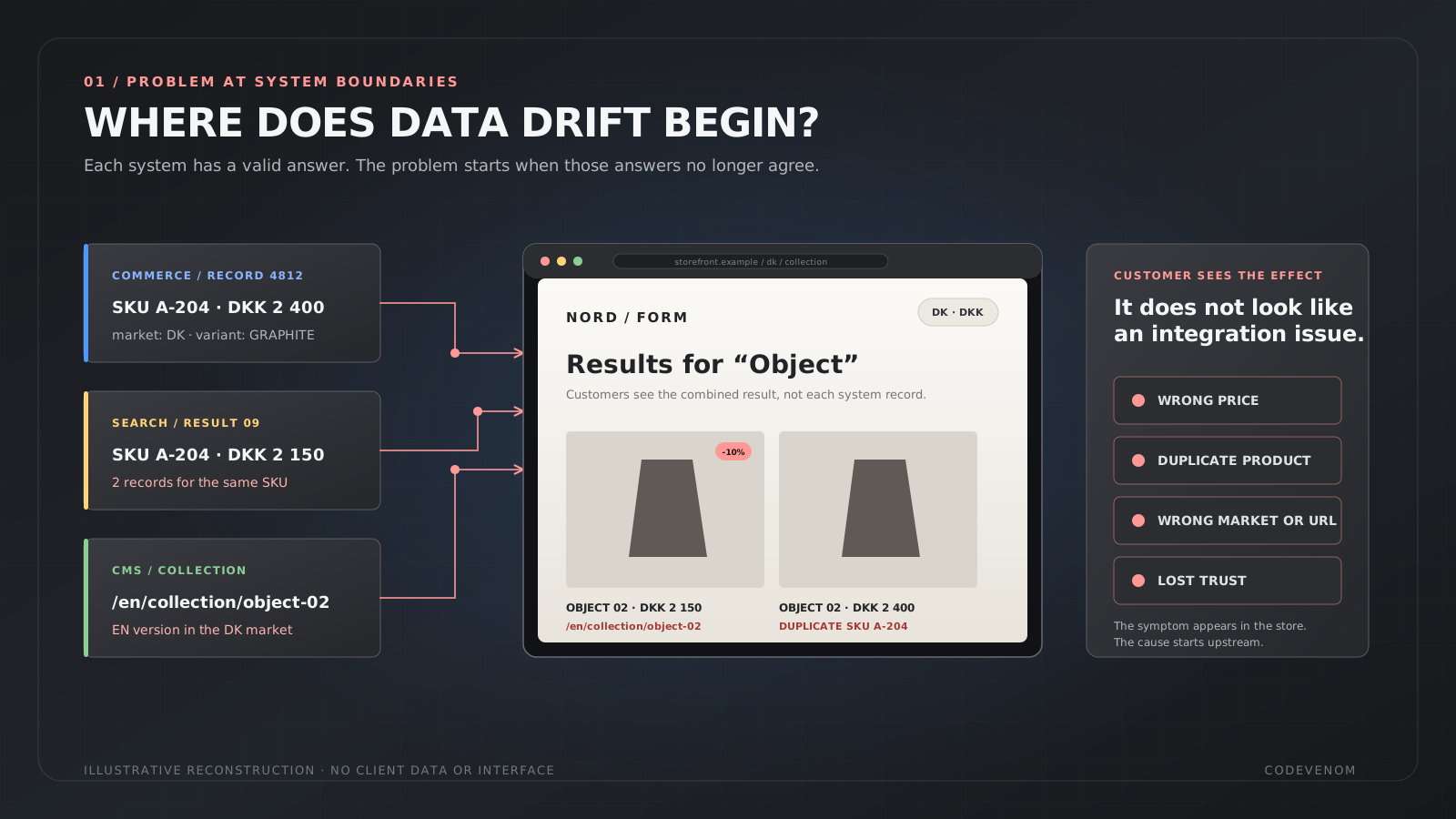
The risk did not sit in one broken component. It lived between systems and appeared differently depending on the product, market or path a visitor followed.
Search results and commerce data could represent price and variant information differently.
Canonical URLs, hreflang and sitemap rules had to reflect each market instead of one global default.
Product-image loading behaviour was repeated across many customer-facing components.
Runtime and framework upgrades crossed storefront, search and commerce integration boundaries.
Scope
The work covered the boundaries customers actually touched
The scope focused on the places where an internal mismatch became a wrong price, duplicate result, weak market signal or inconsistent product experience.
Product discovery, price sorting and fallback behaviour
Market-specific URLs, sitemaps, canonical rules and hreflang
Shared product-image loading and priority rules
Frontend runtime, framework and dependency modernisation
Approach
Trace the journey before changing the layer
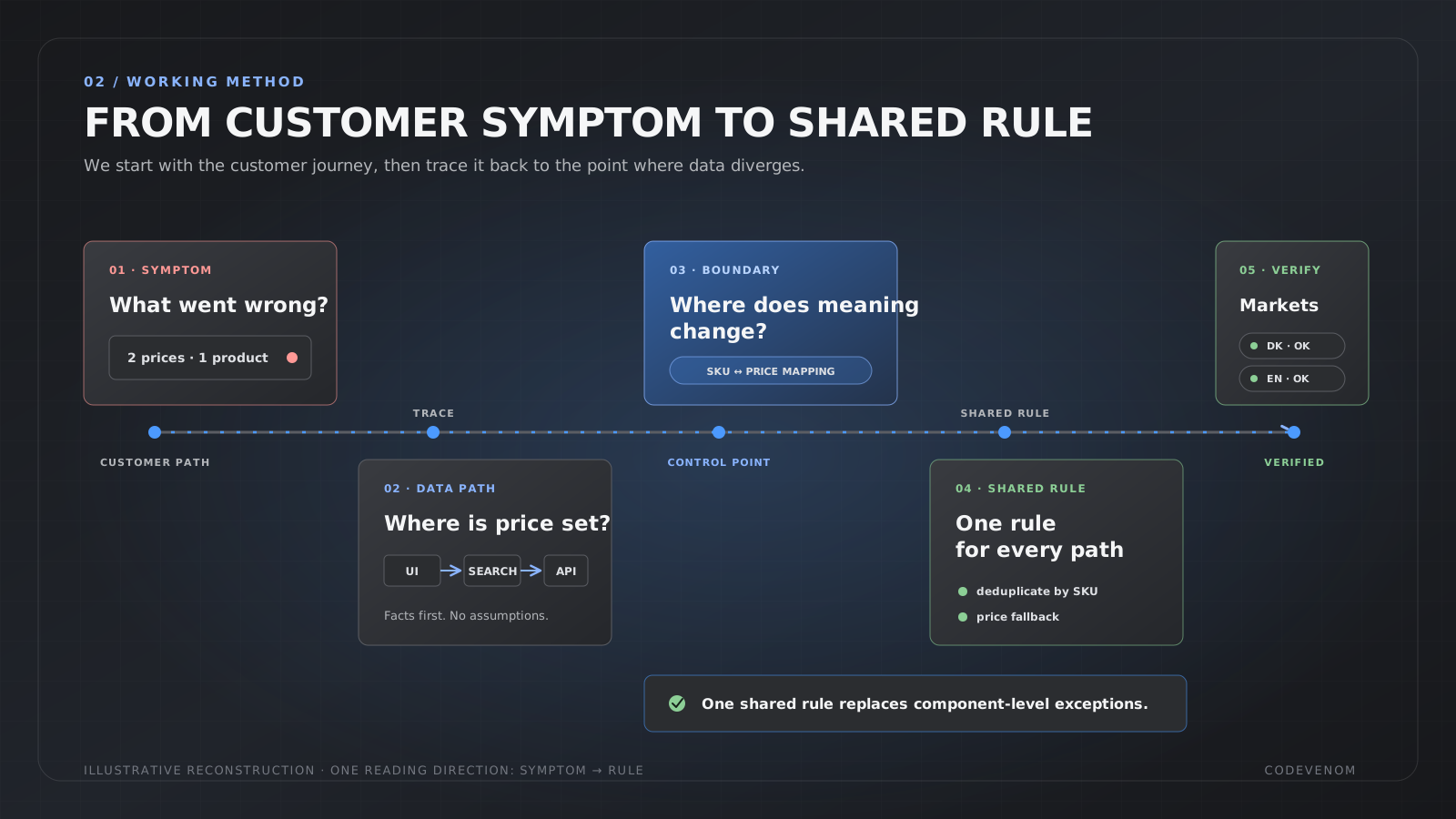
Each change started from an observable customer path and followed it back through the systems supplying the page. That kept technical work tied to a commercial surface rather than turning the engagement into an open-ended rewrite.
- 01
Map how a market, URL, search result and product card receive their data.
- 02
Reconcile product, SKU and price differences where they enter the storefront.
- 03
Centralise repeated rules such as image loading, tracking and market-aware routing.
- 04
Upgrade the platform in controlled slices while checking connected commerce and search paths.
Delivered changes
A set of focused changes created a more coherent storefront
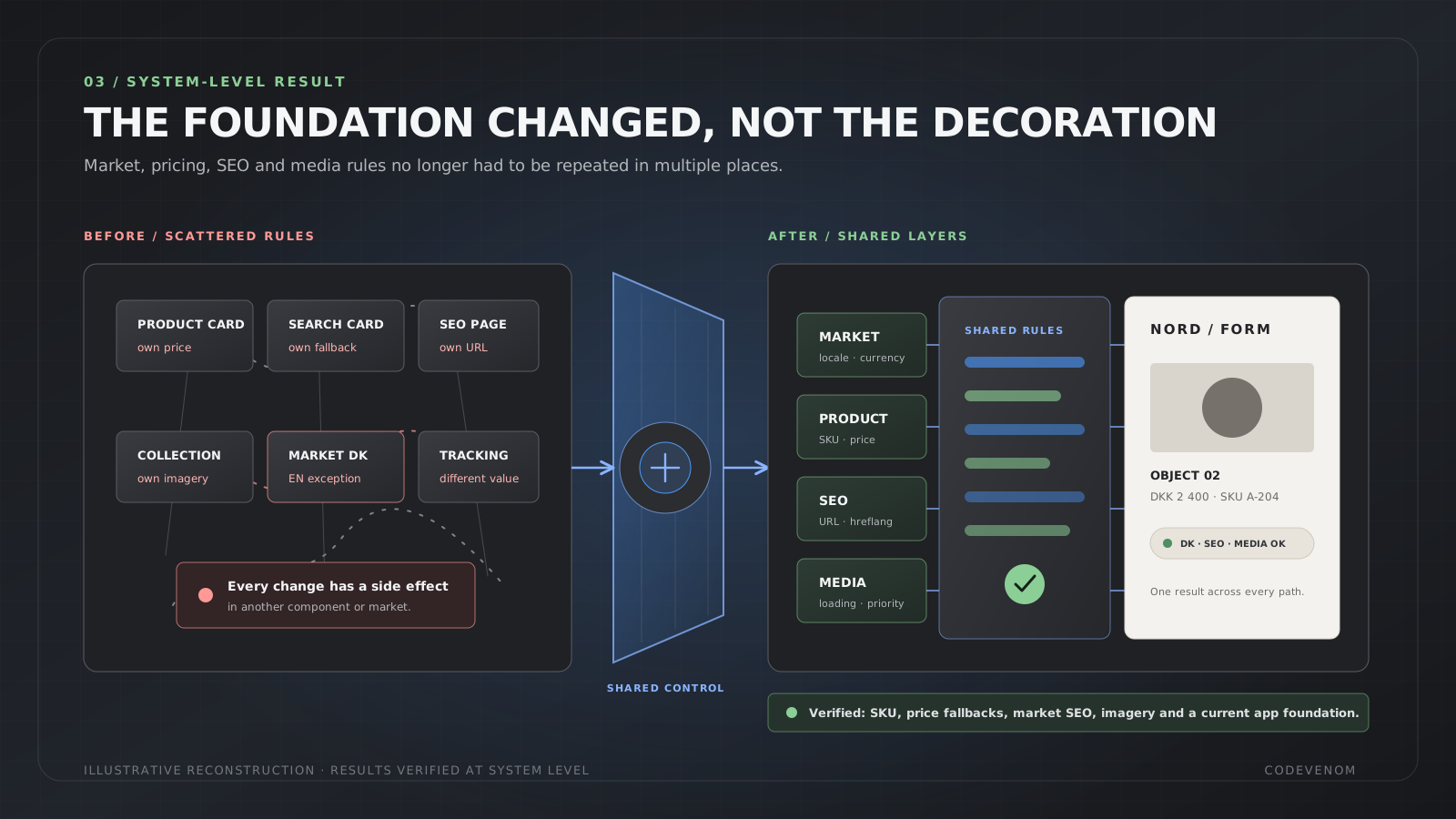
The solution was not one large feature. It was a sequence of corrections and shared rules at the seams that most affected product discovery and international operation.
Deterministic SKU deduplication and a display-price fallback for incomplete search results
Market-aware sitemap generation, hreflang output and pagination canonical rules
A shared image layer with explicit priority for customer-critical product imagery
A current Next.js, TypeScript and Node.js foundation while preserving commerce and search compatibility
Result
A clearer foundation for the next commerce change
The delivered work reduced known inconsistencies in product presentation and moved repeated market and media behaviour into shared rules. The available evidence supports these system changes; it does not include measured revenue, conversion or traffic results.
Related service
When the storefront is only the visible part of the problem
We take over existing systems, map their critical dependencies and stabilise the paths that matter before proposing a larger rebuild.
Explore takeover & stabilisationStart with the ecosystem
Is one storefront change touching five other systems?
Show us the customer journey, the systems behind it and the change that keeps getting delayed. We will help separate the real dependency from the visible symptom.
Start a project