Decisions and operational clarity
What is the 'hotspot view' and why do companies react too late without it?
In many companies, problems don't suddenly appear – they build up. Yet, management often only learns about them when they are already costly. The issue is not lack of data, but lack of daily clarity on priorities. This article explains what a 'hotspot view' is as a way of thinking about operations and why organizations without it always react one step too late.
For most growing companies, the day starts similarly.****
There are data. There are reports. There are meetings. Each department raises its own issues, each problem is justified, and each number looks "good enough".****
Yet at the end of the day, there is a sense of unease.****
Not because something clearly went wrong but because it's not entirely clear what was truly the most important today.****
The COO sees several areas needing attention.****
The CEO feels the company is functioning, but reacting with a delay.****
Operations handle current issues, but rarely have the space to stop and say, "this is today's critical point".****
This is not a problem of lack of control.****
It is a problem of lack of daily clarity on priorities.
Many organizations describe their problem in the same way:****
"We react too late".****
In reality, the reaction is often quick.****
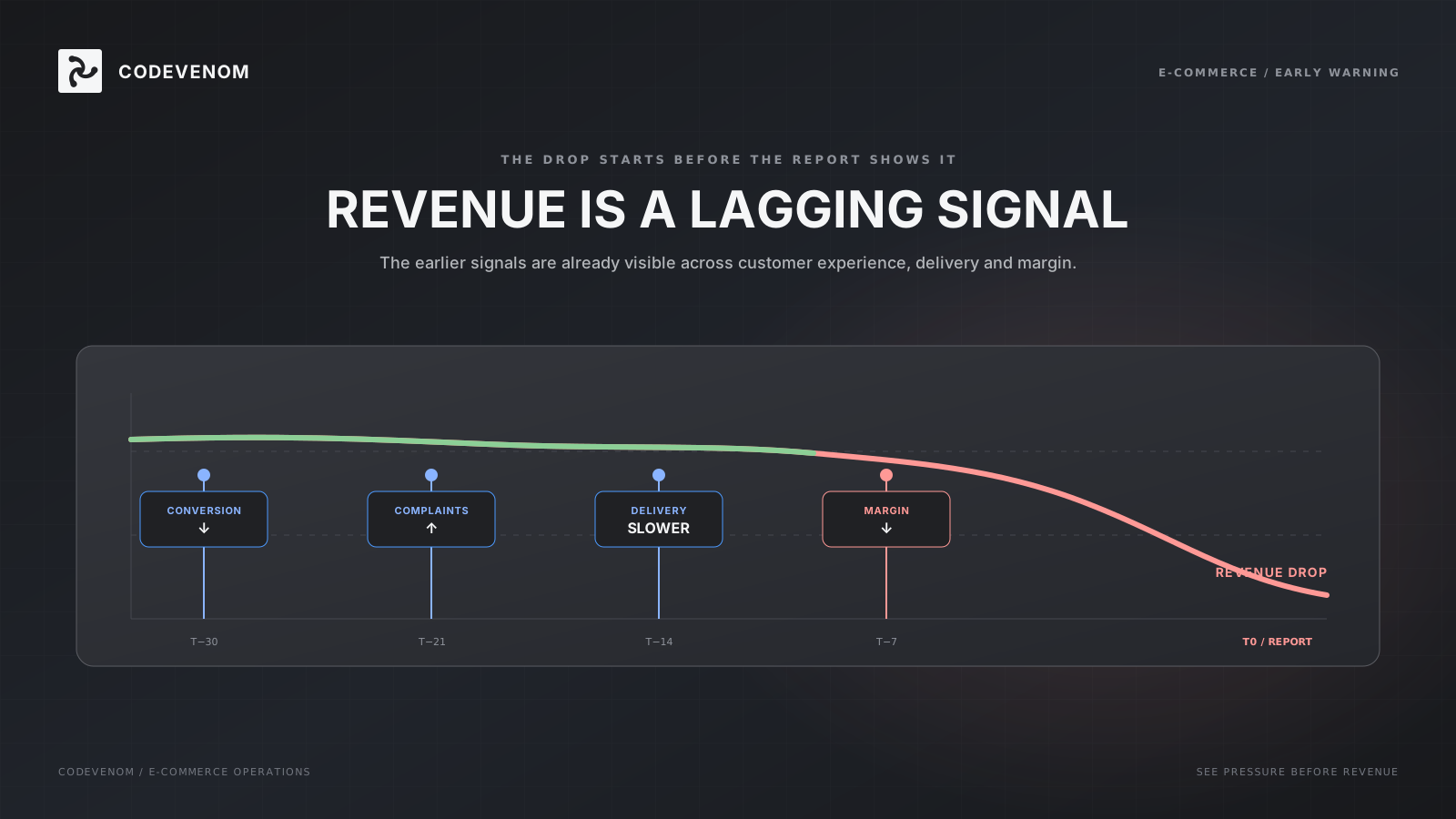
The problem is that the warning signal appears too late because it gets lost in the operational noise.****
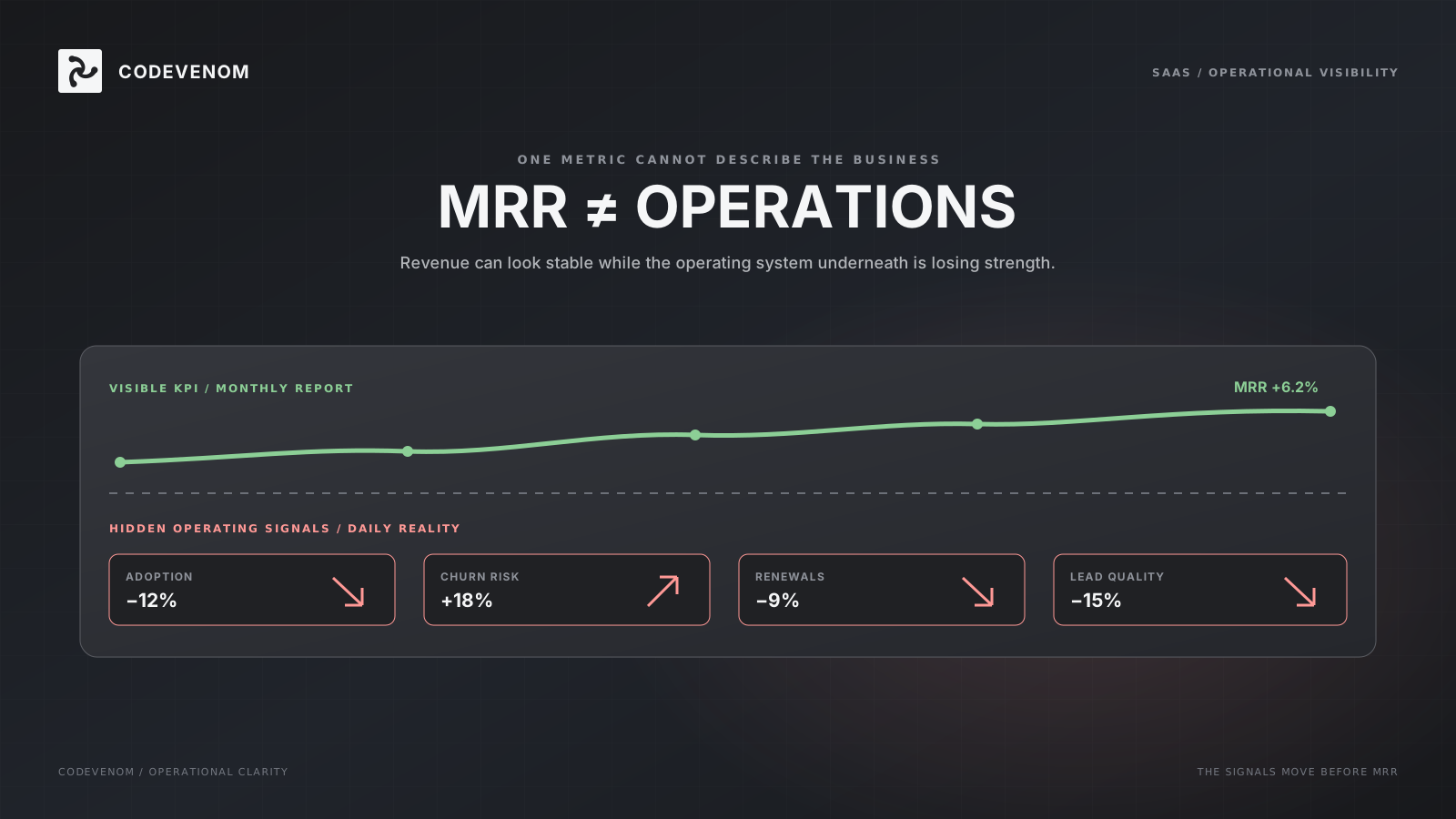
The data is scattered. Each system shows its own piece of reality. Problems develop gradually in sales, in delivery, in finances but there is no single place that says: here is where the risk is accumulating.****
As a result, the company operates correctly locally, but loses the ability to detect tensions early, before they become critical.

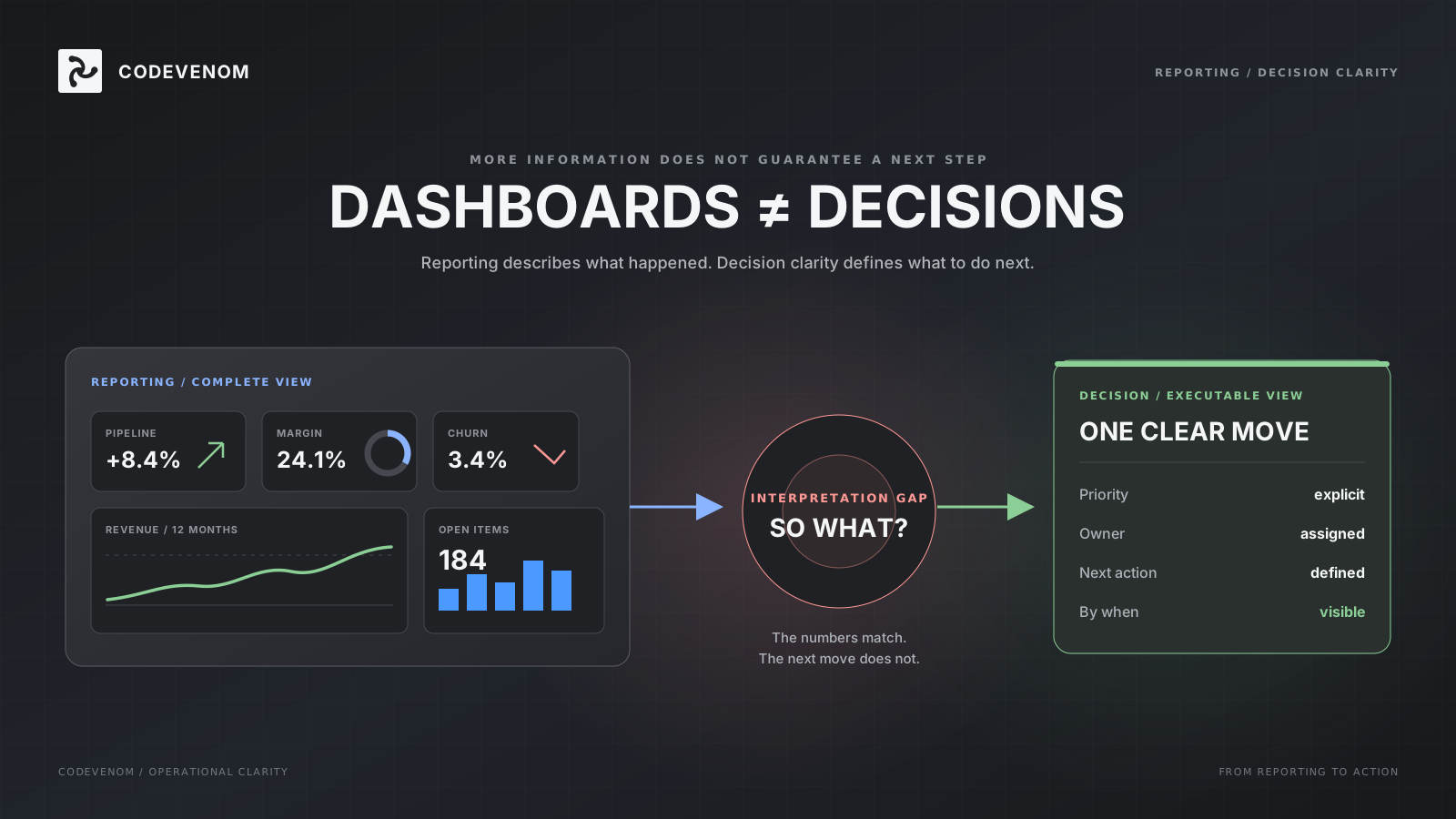
Classic reporting was designed for one purpose:****
describing the past.****
A daily, weekly, or monthly report says:****
-
what has been done,****
-
what the results were,****
-
how the indicators changed.****
But managing operations requires a different question:****
"what is the most vulnerable point of the system today?"****
These questions are not asked in reports.****
And even if they are, they are answered with a delay.****
In practice, this means that:****
-
problems are visible only after the fact,****
-
priorities are set based on intuition or pressure,****
-
management reacts to symptoms, not causes.
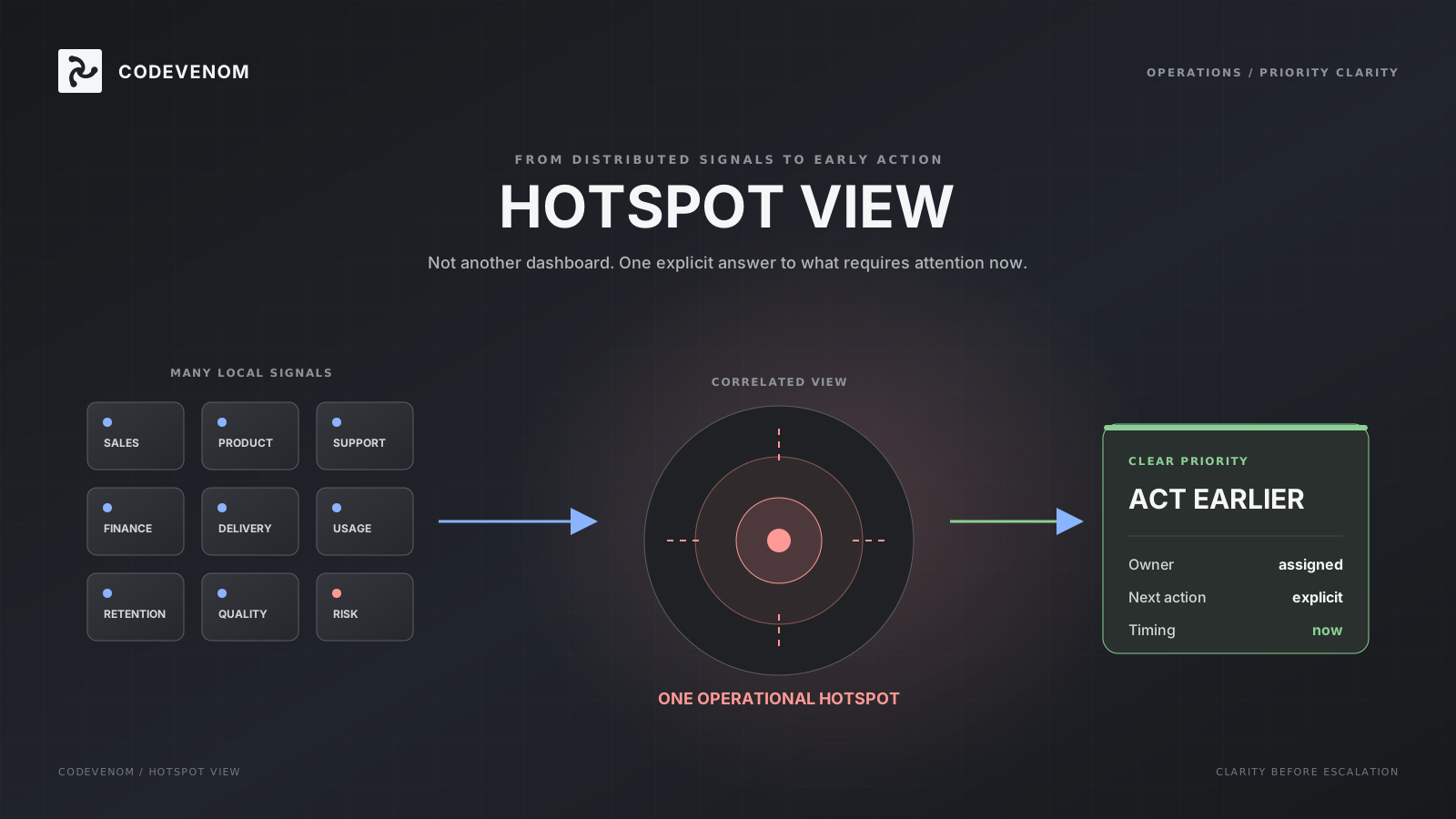
"Hotspot view" is not another KPI view or a new dashboard.****
It's a way of looking at the company through the lens of tensions, not metrics.****
Instead of asking "what do the numbers look like?", hotspot view asks:****
"where is the greatest decision-making or operational risk accumulating today?"****
Hotspot doesn't mean failure.****
It means a place where:****
-
a few signals are starting to overlap,****
-
the pace of change is accelerating,****
-
a decision made today will disproportionately impact the future.****
It could be:****
-
a delivery area that is still delivering but losing buffer,****
-
a sales pipeline that looks good but has a structural problem,****
-
an operational process that "still works" but requires more and more energy.
Without a hotspot view, the organization lacks a mechanism for attention selection.****
Everything appears important, so nothing is unequivocally a priority.****
In practice, this leads to several constant phenomena:****
-
decisions are made reactively,****
-
problems escalate only when they are financially visible,****
-
teams optimize their areas without seeing critical points of the whole.****
The company reacts when:****
-
the customer is already dissatisfied,****
-
the project is already delayed,****
-
the cost has already materialized.****
It is not a matter of lack of competence.****
It is a lack of daily signal saying: 'today we need to look here'.
Mature companies don't try to analyze everything every day.****
They know that the key is to focus attention where the system is most sensitive.****
That's why instead of hundreds of metrics, they need:****
-
a single picture of operational tensions,****
-
a clear signal of what today's hotspot is,****
-
a common reference point for COOs, operations, and CEOs.****
It's not about perfect prediction.****
It's about enough clarity to shift attention and decisions one step earlier.****
In this sense, the hotspot view doesn't replace reports.****
It precedes decisions before reports reveal the problem.
No hotspot view does not mean chaos.****
It means that the company operates without an early warning mechanism.****
The daily signal showing where operational tension is concentrated becomes the foundation of conscious management. Not to control everything, but to know where you cannot look away today.****
If you have a feeling that problems in the company rarely appear suddenly, yet always surprise, it is not a paradox. It is the result of a lack of one view that organizes priorities every day.****
If you want to consider what a hotspot view would look like in your organization and what signals should appear in it, it is worth discussing.